Your heart never takes a day off. Are you looking after it?
Think about how much your heart does for you every day. Whether you’re rushing to work, enjoying your favourite meal, going for a walk, or simply relaxing on the sofa, your heart is quietly keeping everything running.
Pretty impressive, isn’t it?
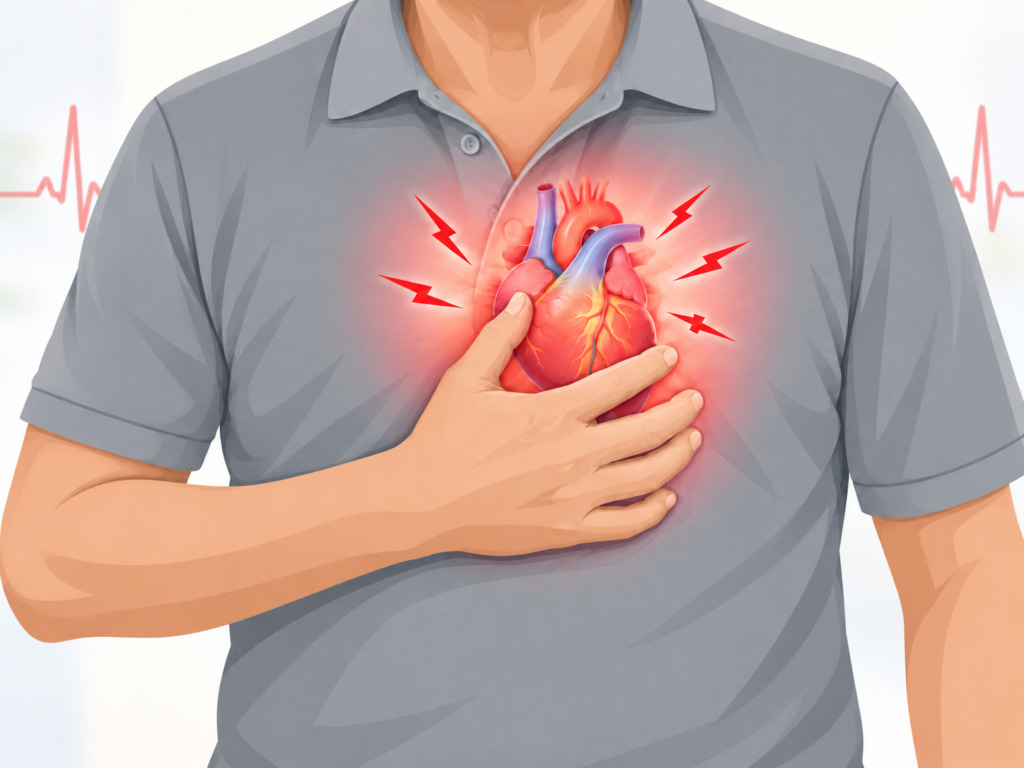
Yet, with everything going on in our busy lives, we rarely stop to think about looking after it. Most of us only think about it when something goes wrong. By then, the story has usually been unfolding quietly for years.
The good news is that taking care of your heart doesn’t have to be complicated. You don’t need an expensive gym membership, a perfect diet, or a complete lifestyle makeover.
A few thoughtful changes to your everyday routine can go a long way towards supporting your heart health. This guide covers what your heart actually does, why it deserves attention now rather than at 50, what puts it at risk and what you can do about it.
Why Does Heart Health Matter?
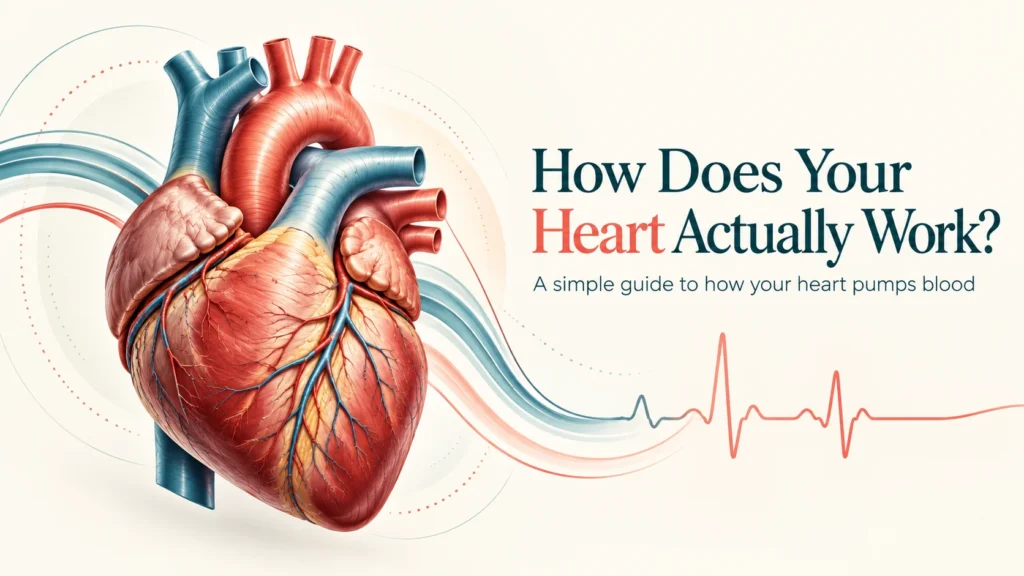
Think of your heart as the body’s hardworking with its own plumbing. The pump is the heart muscle. The pipes are your blood vessels called arteries. With every beat, it pushes blood through this network of blood vessels, delivering oxygen and nutrients to the rest of your body.
When we talk about cardiovascular health, we mean the health of your heart and blood vessels.
According to the World Health Organization (WHO), cardiovascular diseases were responsible for an estimated 19.8 million deaths worldwide in 2022, making them the leading cause of death globally.
This number shows why cardiovascular health deserves our attention. But rather than being a reason to worry, it’s a reminder of how important prevention and early awareness can be.
Many cardiovascular risks are preventable or manageable. Understanding those risks early gives you an opportunity to take action.
What Influences Your Heart Health?
Some things that affect our heart health, like age and family history, are beyond our control. But many others, including our daily habits, blood pressure and cholesterol levels, are things we can monitor or improve.
Understanding these factors can help us make better choices for our long-term health.
Some important risks include:
- High blood pressure: Over time, increased pressure can damage blood vessels and put extra strain on the heart.
- High LDL cholesterol: LDL is a type of cholesterol that can contribute to fatty deposits building up inside arteries.
- Smoking: Damages blood vessels and increases the risk of heart disease and stroke.
- Diabetes: Persistently high blood sugar can damage blood vessels.
- Excess body weight and physical inactivity: Can contribute to several cardiovascular risk factors.
The important thing to remember is that some risk factors, such as high blood pressure and high cholesterol, may not cause noticeable symptoms. Knowing your health numbers can help you better understand your cardiovascular health.
That’s why knowing your risk factors matters, even before symptoms appear.
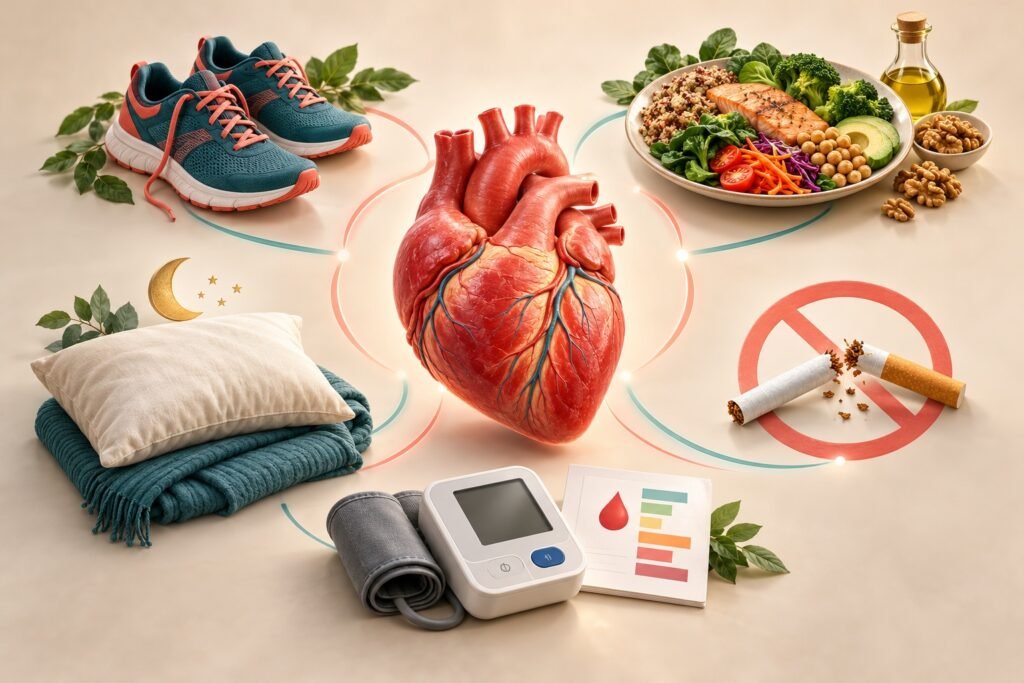
5 Simple Ways to Start Taking Care of Your Heart
Taking care of your heart doesn’t have to mean changing everything you enjoy about your daily life.
Sometimes, it’s about doing ordinary things a little differently.
1. Make Movement Part of Your Day
You don’t have to become a marathon runner.
Start with a short walk after lunch, take the stairs when practical, or move around during breaks at work.
For adults, the WHO recommends at least 150–300 minutes of moderate-intensity aerobic activity per week. Brisk walking is one example.
If you’re currently inactive, begin with what feels manageable and gradually build up. Some physical activity is better than none.
Not sure where to start? Try our free 4-Week Walking Challenge, a simple, flexible plan to help you build a walking habit at your own pace.
If you have a known heart condition or develop concerning symptoms during activity, seek medical guidance about exercising safely.
2. Make Healthier Food Choices
Eating well doesn’t have to mean following a strict diet or giving up everything you enjoy.
Sometimes, it’s as simple as adding more nutritious foods to your everyday meals.
Try including more fruits, vegetables, whole grains, beans, lentils, and nuts in your diet. Choose healthier sources of fat, such as olive oil, and be mindful of excess salt, added sugar, and foods high in saturated fat.
Remember, it’s not just about what you avoid, but also what you choose to include on your plate.
Small, thoughtful changes to your eating habits can make a meaningful difference to your heart health over time.
3. Avoid Tobacco
Smoking isn’t just harmful to your lungs. It also damages your cardiovascular system.
If you smoke, quitting is one of the most important steps you can take to reduce your cardiovascular risk.
And if quitting feels difficult, remember that you don’t have to do it alone. Professional support and evidence-based quitting treatments can help.
4. Get to Know Your Health Numbers
When was the last time you checked your blood pressure?
What about your cholesterol or blood sugar?
These measurements can reveal important risks that you might not otherwise notice.
Discuss with a healthcare professional which checks you need, based on your age, medical history, family history and other risk factors.
If you’re monitoring your blood pressure at home, our free Blood Pressure Log can help you keep your readings organised and ready to discuss with your healthcare professional.
5. Don’t Neglect Your Sleep
Sleep often becomes the first thing we sacrifice when life gets busy.
But regular, adequate sleep is an important part of cardiovascular health.
Most adults should aim for around 7–9 hours of sleep each night.
Try keeping a consistent bedtime and waking schedule, even if your routine is busy.
A Healthier Heart Starts With What You Do Today
You don’t have to follow every recommendation perfectly or transform your routine overnight.
Maybe your first step is a short daily walk. Maybe it’s cutting back on extra salt, getting help to stop smoking, or finally checking your blood pressure.
The goal isn’t perfection. It’s making informed choices that you can maintain over time.
And remember, healthy habits work alongside appropriate medical care, not as a replacement for it.
Your heart looks after you every day. It’s worth making time to look after it, too.
At THEPULSEDOC, we’ll continue exploring heart health, cardiovascular conditions, emergency warning signs and practical ways to reduce your risk, one topic at a time.
Frequently Asked Questions (FAQs)
1. Can I have heart disease even if I feel healthy?
Yes. Some cardiovascular risk factors, including high blood pressure and high cholesterol, often cause no noticeable symptoms. Certain heart conditions can also remain undetected for some time. Appropriate health checks can help identify risks earlier.
2. How can I improve my heart health naturally?
Regular physical activity, a balanced diet, avoiding tobacco, adequate sleep and managing excess weight can support cardiovascular health. However, lifestyle changes don’t always replace medical treatment, particularly if you already have a diagnosed condition.
3. Is walking enough to keep my heart healthy?
Walking is a good way to be physically active. Brisk walking can contribute towards recommended aerobic activity levels. However, cardiovascular health also depends on other factors, such as blood pressure, cholesterol, smoking status, diet and existing medical conditions.
4. At what age should I start caring about my heart?
Healthy habits are valuable throughout life. Cardiovascular risk generally increases with age, but factors such as smoking, diabetes, high blood pressure and family history can also affect younger adults.
This article has been reviewed for medical accuracy, scientific evidence and clinical relevance.
References
- World Health Organization (WHO). Cardiovascular diseases (CVDs). Updated 31 July 2025.
- American Heart Association (AHA). Life’s Essential 8 — Key Measures for Improving Cardiovascular Health.
- World Health Organization (WHO). Physical Activity.
- World Health Organization (WHO). Healthy Diet.
- World Health Organization (WHO). Hypertension. Updated 25 September 2025.
- American Heart Association (AHA). Life’s Essential 8 — Healthy Sleep.
Medical Disclaimer: This article provides general health education and does not replace personalised medical advice, diagnosis, or treatment.
General education only; not individual medical advice. Speak with a qualified healthcare professional about personal health concerns.
For a suspected emergency, call your local emergency service immediately.